Why September Is the Perfect Time to Strengthen Your Child’s Learning Habits
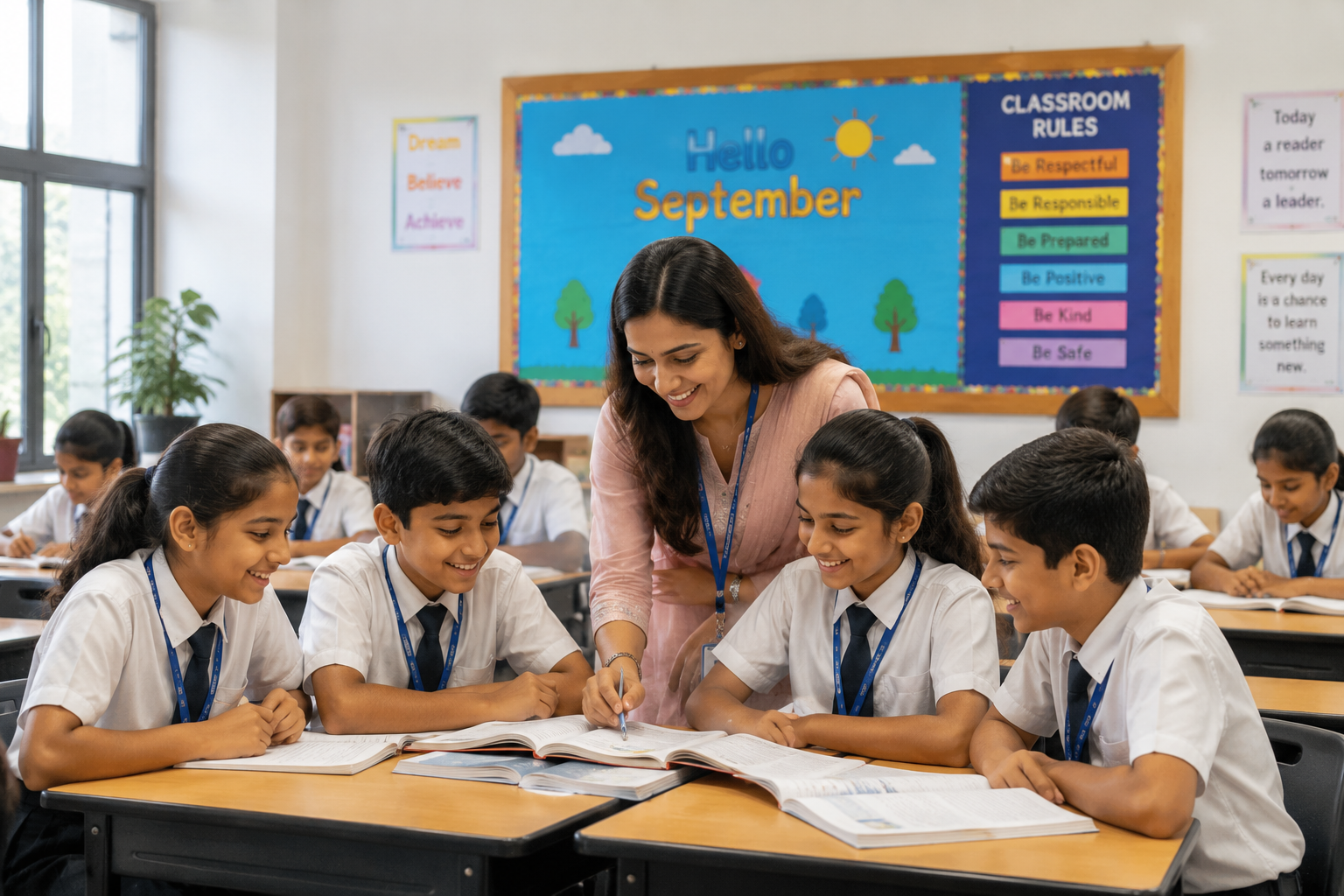
The academic year is well underway, and September is an excellent time for students and parents to pause, reflect, and make positive changes to their daily learning routines.
By this time of the school year, children have become familiar with their classes, teachers, subjects, homework schedules, and school activities. September gives them an opportunity to identify what is working well and what needs improvement.
At SRS Global School, Meerut, learning goes beyond textbooks. The school focuses on academic development along with communication skills, critical thinking, creativity, sports, co-curricular activities, values, and overall personality development.
Why September Matters for Students
The first few months of the academic session are often focused on settling into a new class and understanding new subjects. By September, students have a clearer idea of their strengths and challenges.
This makes September a good time to:
Review academic progress
Improve study habits
Organise schoolwork
Set realistic academic goals
Develop better time-management skills
Reduce unnecessary screen time
Build healthy daily routines
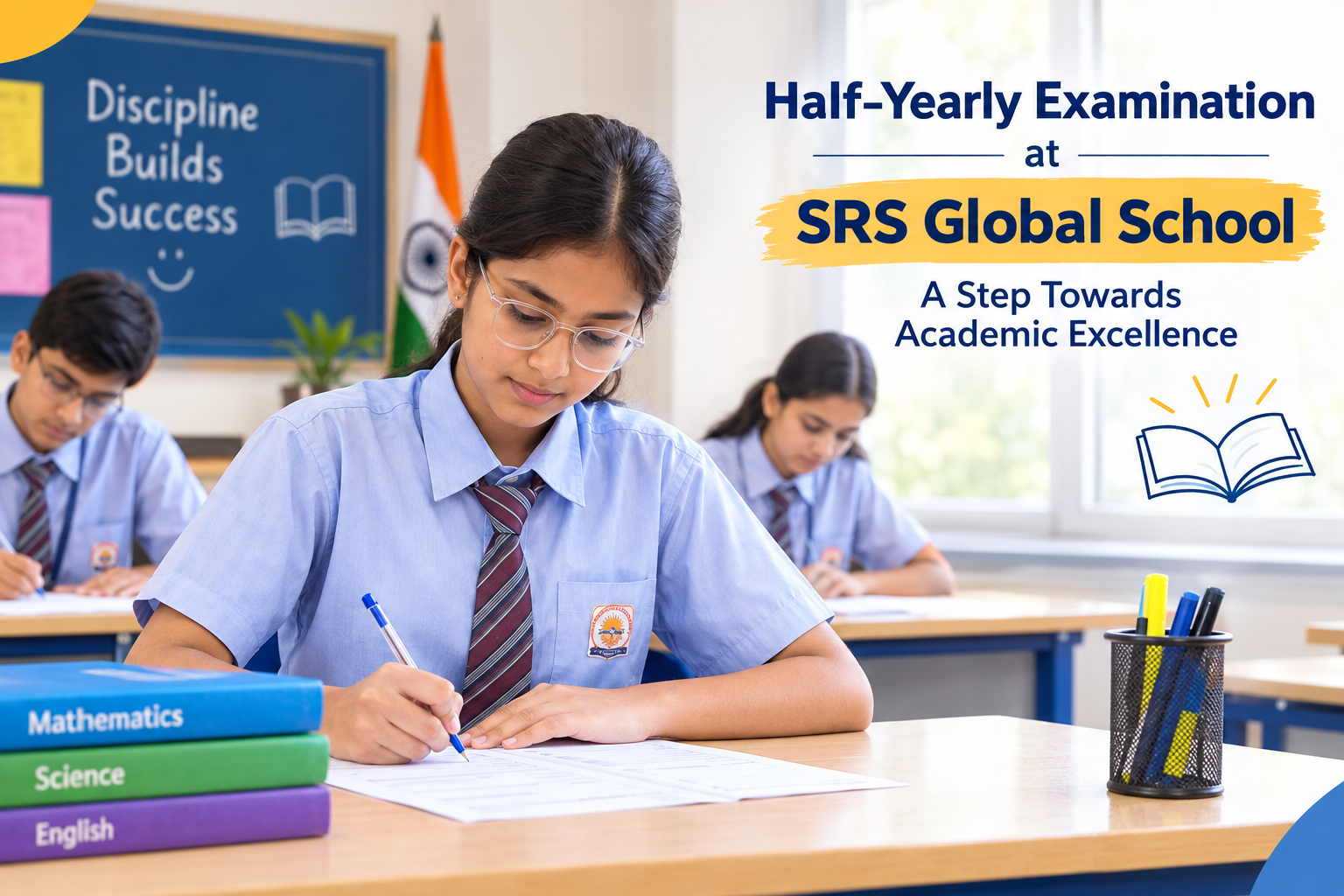
Prepare for upcoming assessments
Small improvements made during this period can make the remaining academic year more productive and less stressful.
1. Review Your Child’s Academic Progress
Parents can start by discussing how their child is doing in different subjects.
Instead of focusing only on marks, ask questions such as:
Which subject do you enjoy the most?
Which topic is difficult for you?
Do you understand what is taught in class?
Are you completing homework on time?
Do you need additional practice?
The objective should be to understand the child's learning needs rather than simply compare results.
2. Create a Consistent Study Routine
A regular study schedule helps children become more organised and independent.
A simple routine can include:
Fixed homework time
Short revision sessions
Reading time
Outdoor play
Creative activities
Family time
Proper sleep
Children do not always need long study hours. A consistent and distraction-free routine can often be more effective than studying for long periods without focus.
3. Encourage Reading Every Day
Reading is one of the easiest ways to strengthen vocabulary, communication, imagination, and general knowledge.
Parents can encourage children to read:
Storybooks
Age-appropriate newspapers
Children's magazines
Biographies
Science and general knowledge books
Educational articles
Even 15–20 minutes of daily reading can help children develop a positive relationship with books.
4. Make Learning More Practical
Children understand concepts better when they can connect classroom lessons with everyday life.
Parents can encourage practical learning through simple activities.
For example:
Mathematics: Use shopping, cooking, or budgeting to practise calculations.
Science: Observe plants, weather, household objects, or simple experiments.
English: Encourage children to maintain a journal or describe their daily experiences.
Social Studies: Discuss historical events, geography, culture, and current affairs.
Practical learning helps children understand that education is not limited to the classroom.
5. Balance Screen Time and Study Time
Digital devices are now an important part of children's lives. Technology can support learning, but excessive recreational screen time can affect concentration and daily routines.
Parents can establish healthy boundaries by:
Setting screen-time limits
Keeping devices away during homework
Encouraging outdoor activities
Promoting educational content
Maintaining screen-free family time
Avoiding screens immediately before bedtime
The goal is not to eliminate technology but to teach children how to use it responsibly.
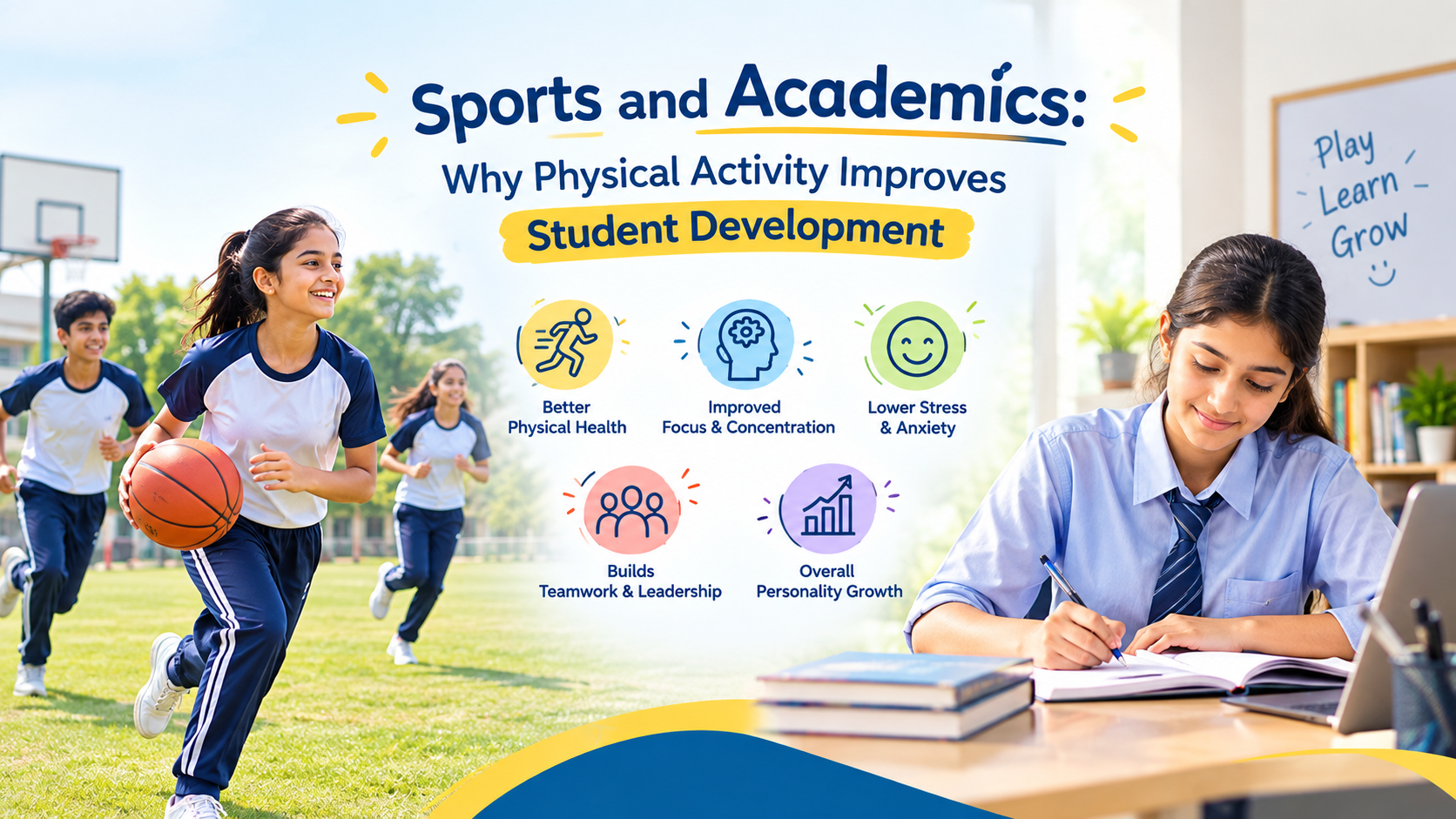
6. Encourage Sports and Physical Activity
Academic success is important, but physical fitness is equally valuable for a child's development.
Sports and physical activities can help children develop:
Discipline
Teamwork
Confidence
Leadership
Coordination
Emotional resilience
SRS Global School provides opportunities beyond academics through sports, clubs, creative activities, music, excursions, and other co-curricular experiences.
7. Help Children Set Small Goals
Instead of setting unrealistic academic targets, encourage children to create small and achievable goals.
For example:
This week I will:
Complete homework on time.
Read for 20 minutes every day.
Revise one difficult topic.
Keep my school bag organised.
Spend less time on unnecessary screen activities.
Small achievements can gradually develop confidence and motivation.
8. Develop Independent Learning Habits
As children progress through school, they should gradually become responsible for their own learning.
Parents can support independence by allowing children to:
Pack their own school bags
Maintain their notebooks
Track homework
Prepare for tests
Organise their study space
Solve problems before asking for help
Parents should act as guides rather than completing every task for their children.
9. Focus on Skills Beyond Academics
Modern education is not only about examination scores. Children also need communication, creativity, collaboration, critical thinking, and problem-solving skills.
SRS Global School follows a holistic approach that gives importance to academics as well as sports, arts, music, extracurricular activities, leadership, values, and life skills.
These experiences can help children become confident and responsible individuals.
10. Maintain Communication Between Parents and Teachers
Parents and teachers play an important role in a child's educational journey.
Regular communication can help parents understand:
Academic progress
Classroom participation
Behaviour
Strengths
Areas that need improvement
Social development
A strong partnership between parents and teachers can create a supportive learning environment for children.
How Parents Can Make September More Productive
Here is a simple September checklist for parents:
Academic Checklist
Review notebooks and assignments
Identify difficult subjects
Create a revision schedule
Encourage daily reading
Discuss academic goals
Health Checklist
Maintain a regular sleep schedule
Encourage nutritious meals
Include daily physical activity
Monitor screen time
Personal Development Checklist
Encourage responsibility
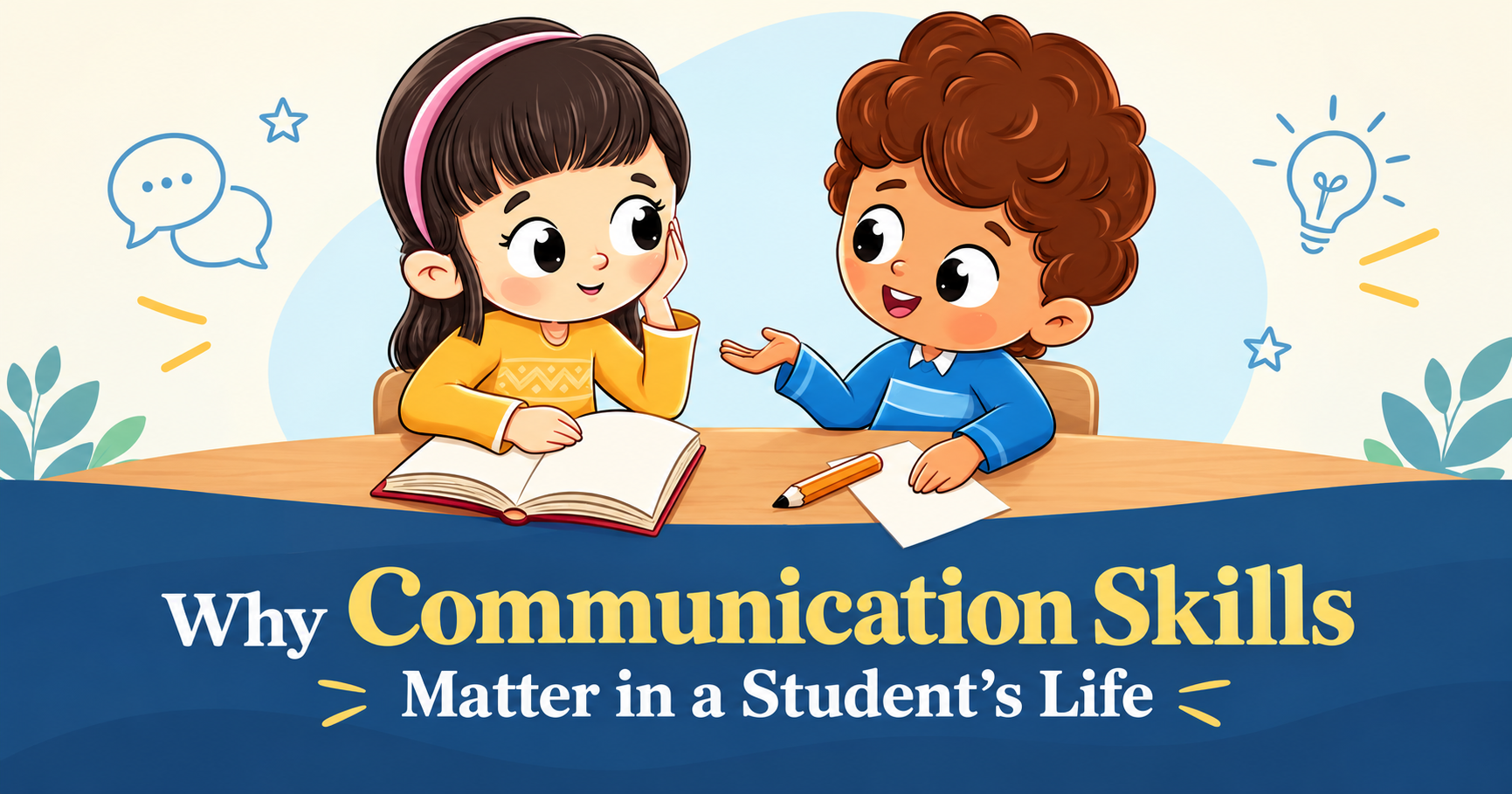
Develop communication skills
Promote creativity
Encourage teamwork
Appreciate effort and improvement
Why Holistic Education Matters
Children need an environment where they can learn, explore, ask questions, make mistakes, and develop confidence.
A holistic school environment combines academic learning with opportunities for creativity, sports, leadership, communication, and personal growth.
SRS Global School, Meerut, describes its approach as a balance of academics, co-curricular activities, sports, values, critical thinking, creativity, and real-world application of knowledge.
Frequently Asked Questions
Why is September a good time to improve study habits?
By September, students are familiar with their new class and subjects. It is therefore a suitable time to review their routines and make improvements for the rest of the academic year.
How can parents improve their child's study routine?
Parents can create a consistent schedule that balances homework, revision, reading, physical activity, family time, and proper sleep.
How much screen time should children have?
Screen-time needs vary by age and individual circumstances. Parents should create age-appropriate limits and ensure that recreational screen use does not interfere with sleep, studies, physical activity, or family interaction.
Why are extracurricular activities important?
Extracurricular activities can help children develop teamwork, confidence, creativity, discipline, leadership, and communication skills alongside academics.
How can schools and parents work together?
Regular communication, parent-teacher meetings, feedback, and discussions about a child's strengths and challenges can help create a supportive educational environment.
Conclusion
September is more than just another month in the academic calendar. It is an opportunity for students to reflect on their progress, improve their habits, and prepare for the months ahead.
With the right balance of academics, reading, physical activity, technology, creativity, and family support, children can develop habits that benefit them throughout their educational journey.
At SRS Global School, Meerut, the focus extends beyond academic achievement to nurturing confident, capable, curious, and responsible learners through holistic education.
The best time to build better learning habits is not tomorrow—it starts with small positive steps today.